

search form icon

DIY – Do It Yourself

Is–Is Not analysis table icon showing a grid with a green checkmark and red cross for comparison.

5W2H Analysis Template Preview

📊 DASHBOARD

Live KPI Dashboard

Real-time overview of action status, priorities, and completion rates.

🔍 5W2H ANALYSIS

Structured 7-Question Framework

Systematic Who, What, Where, When, Why, How, How Much analysis.

Free Download

Is–Is Not analysis table icon showing a grid with a green checkmark and red cross for comparison.

Download: 5W2H Analysis Template

Professional Excel template with structured 7-question framework, live dashboard, and action tracking. Start analyzing problems systematically in minutes.

📄 New to 5W2H Method? Start with the Quick Guide (PDF)

📅 Updated December 2025 – Now with live Dashboard KPIs

Is–Is Not analysis table icon showing a grid with a green checkmark and red cross for comparison.

Red Rabbit Test Template Preview

📊 DASHBOARD

Live KPI Dashboard

Real-time overview of detection rates, escapes, and action progress.

🔍 Red Rabbit Test

Structured Failure Tracking

Document planted defects, track detection points, and analyze escapes.

Free Download

Is–Is Not analysis table icon showing a grid with a green checkmark and red cross for comparison.

Download: Red Rabbit Test Template

Professional Excel template with structured failure tracking, live dashboard, and escape analysis.

Validate your quality controls in minutes.

📄 New to Red Rabbit Test? Start with the Quick Guide (PDF)

📅 Updated December 2025 – Now with live Dashboard KPIs

Is–Is Not analysis table icon showing a grid with a green checkmark and red cross for comparison.

5W2H Analysis Template Preview

📊 DASHBOARD

Live KPI Dashboard

Real-time overview of action status, priorities, and completion rates.

🔍 5W2H ANALYSIS

Structured 7-Question Framework

Systematic Who, What, Where, When, Why, How, How Much analysis.

Free Download

Is–Is Not analysis table icon showing a grid with a green checkmark and red cross for comparison.

Download: 5W2H Analysis Template

Professional Excel template with structured 7-question framework, live dashboard, and action tracking. Start analyzing problems systematically in minutes.

📄 New to 5W2H Method? Start with the Quick Guide (PDF)

📅 Updated December 2025 – Now with live Dashboard KPIs

What

Do-It-Yourself (DIY) in quality management is a flexible and empowering method that gives control over quality improvements to individuals and teams. It goes beyond standard methods by encouraging an active and inclusive culture that allows all stakeholders to help improve processes and results.

The DIY approach in quality management has origins in the Total Quality Management (TQM) movement from the 20th century. However, its current use has been boosted by new collaborative technologies and a stronger focus on engaging and empowering employees.

When

DIY in quality management can used in different industries, like manufacturing and services, where it helps to make things better all the time. It works well to help employees feel responsible and involved.

Why

The main goal of the DIY method in quality management is to let people and teams find, solve, and enhance processes and results on their own, which helps create a culture of continous improvement.

Principles

DIY is guided by the laws of:

Empowerment

DIY in quality management is based on empowerment idea. It seeks to enable people at all organization levels to take part in finding and fixing quality problems. By granting workers the power and resources to make decisions about quality improvement, a feeling of ownership is created, which increases their engagement and commitment.

Decentralization of Decision-Making

At the heart of the DIY method is the decentralization of decision-making. It moves the duty to spot and deal with quality issues from a central authority to individuals and teams who are nearer to the processes. This shift enables faster responses to problems and supports a more flexible and adaptive quality management system.

Teamwork

Teamwork is an important part of DIY in managing quality. It gets people from different departments and levels to join in finding issues and making solutions. Different viewpoints help in understanding problems better and lead to new ways of solving them.

Continuous Improvement

The idea of ongoing improvement is part of DIY. It creates an environment where each improvement, big or small, is important. The aim is not just to solve current issues but also to look for ways to keep improving processes, products, and services.

Bottom-Up Innovation

DIY quality management encourages innovation from the ground up. It does not just depend on instructions from above but uses the wisdom of employees. This idea understands that important ideas usually come from those who work in daily tasks.

Adaptability

DIY ideas focus on being able to change. Understanding that what organizations need can shift, the DIY method promotes being flexible. It enables fast changes to plans and actions based on current feedback and changing focus.

Learning and Development

A focus on learning and development is key in DIY quality management. It pushes organizations to spend on the skills and knowledge of their workers. Employees who are well-informed and trained can more effectively contribute to quality improvement efforts.

Transparency

Transparency is very important in DIY quality management. Clear communication about project status, problems encountered, and results gained helps build trust in the organization. It also allows sharing of insights and lessons learned, which supports a better learning culture overall.

Inclusivity

DIY principles support inclusivity by engaging workers from various departments and levels. It understands that improving quality takes teamwork and aims to gather different viewpoints and experiences for better problem-solving.

Results-Oriented

DIY in quality management is results-oriented. The emphasis is on achieving tangible and measurable outcomes. This principle ensures that efforts are directed towards initiatives that will have a positive impact on overall quality and organizational success.

How To

1. Create a Work Environment for Open Communication and Teamwork

Start by making a workplace where open communication is important. Motivate team members to share their thoughts, ideas, and concerns openly. Set up ways for teamwork, like regular meetings or online communication tools, to help share insights. Developing a culture of openness helps set the stage for a successful DIY project, encouraging inclusivity and cooperation among all staff.

2. Teach Teams About Quality Management Principles

Put resources into teaching your staff about basic quality management principles. Hold workshops, online training, or invite professionals to make sure that employees grasp the importance of quality in the company. Provide them with the knowledge to spot areas needing improvement and stress their important role in the overall quality management process. An informed workforce can contribute effectively to DIY quality efforts.

3. Set Clear Goals and Key Performance Indicators

Set specific goals for your DIY project and define measurable KPIs to monitor progress. This creates a guide for staff, making sure they know the exact aims of the quality enhancement efforts. Well-defined goals and KPIs offer direction and purpose, helping DIY teams reach measurable and meaningful results.

4. Set Up Ways to Gather Ideas

Establish methods to gather improvement suggestions from various parts of your organization. This may include using digital tools, placing suggestion boxes, or holding frequent brainstorming meetings. The aim is to build a space where employees are at ease sharing their thoughts and insights, supporting a bottom-up strategy for quality enhancement.

5. Create a DIY Group or Committee

Set up a group or committee that focuses on managing DIY projects. Make sure this group includes people from various parts of your organization, covering different departments and levels. Having a mix of backgrounds in the team helps provide a well-rounded viewpoint and combines different skills and experiences to assess and carry out DIY proposals successfully.

6. Consistently check and rank ideas.

Establish a routine to examine the gathered ideas. Look at aspects like practicality, possible results, and how well they fit with the organization’s goals. Rank projects based on these factors to direct attention and concentrate on initiatives that likely offer the most considerable benefits to quality.

7. Give Needed Resources and Help

Make sure teams working on DIY projects have the resources required to do well. This could mean setting aside budget, allowing time, or giving access to certain tools and technologies. Providing assistance with training or mentorship also improves the chances of completing projects successfully.

8. Watch and Check Progress

Set up a strong system to observe the progress of DIY projects. Frequently review how they affect quality, efficiency, and the main goals of the organization. This step helps make changes to strategies when required, keeping the DIY process flexible and in line with the changing needs of the organization.

9. Promote a Mindset for Ongoing Improvement

Support a mindset for ongoing improvement among staff by highlighting that enhancing quality is a continuous task. Stress that errors provide chances to learn and that each effort adds to the overall development and success of the organization.

10. Celebrate Wins and Give Recognition

Finally, celebrate the wins of DIY projects. Acknowledge the work of individuals and teams who helped achieve good results. This can be done through internal messages, awards, or other ways to show appreciation. Positive feedback encourages employees and highlights the importance of their roles in the DIY process.

Benefits

Empowerment

Using a DIY method in quality management gives individuals in a company a strong feeling of ownership and empowerment. When employees from all levels can take part in finding and fixing quality problems, it helps create a culture of responsibility and confidence. This empowerment improves job satisfaction and creates a more engaged and motivated workforce, as individuals see their important part in the company’s overall success.

A key benefit of DIY approaches in quality management is their ability to create budget-friendly solutions. By utilizing the knowledge of employees and motivating them to come up with new ideas, companies often find ways to improve processes effectively with less resources. The DIY method allows for identifying and carrying out improvements internally, which minimizes the need for outside resources, leading to substantial cost reductions for the company.

DIY in quality management helps spark new ideas and encourages creativity across the organization. When people get involved in improving processes, it creates a lively setting for fresh thoughts from different viewpoints. This focus on new ideas not only tackles existing quality issues but also prepares the organization to adjust and succeed in a changing business world.

The DIY method increases employee involvement by fostering a workplace environment that appreciates personal input and responses. When workers can take part in improvement projects, it strengthens their feeling of purpose and link to the company. This greater involvement leads to better morale, job contentment, and a collective dedication to ongoing enhancement. In the end, an engaged workforce acts as a key driver for the organization’s goal of excellence.

Limitations

Resource Constraints

Smaller organizations, with limited budgets and manpower, may encounter challenges when implementing DIY initiatives in quality management. The allocation of resources, both in terms of time and financial investment, can pose significant hurdles. These organizations may find it more demanding to dedicate the necessary personnel and funds required to support the comprehensive execution of DIY projects. Despite the potential benefits, resource constraints may impede the ability of smaller entities to fully leverage the advantages of a decentralized quality improvement approach.

A clear drawback of the DIY method in quality management is the reluctance from people used to old top-down methods. Employees who know more about conventional decision-making may push back against moving to a more inclusive and less centralized approach. To deal with this reluctance, strong communication, change management tactics, and a focus on showing the advantages of employee participation are needed. Tackling this reluctance is vital for creating a culture where DIY projects can succeed.

DIY project success can be affected by the different skill levels of employees. Team members do not all have the same expertise or experience, leading to differences in the quality and success of projects. Some workers may be good at coming up with ideas but bad at putting them into action, while others may have trouble generating improvement suggestions. Because of this skill variation, project planning, training, and support need to be thoughtfully addressed to help all employees make meaningful contributions to DIY efforts.

Best Practice

Build a Culture of Open Communication and Sharing Ideas

Creating a culture where open talking and sharing ideas is important for DIY efforts in quality management. It is necessary to encourage a space where team members can easily share their thoughts, insights, and creative ideas.

This can happen through regular team meetings, online platforms, or other ways. Promoting open communication helps establish a base for teamwork in solving problems. This approach makes sure that different viewpoints are taken into account, leading to more complete and useful DIY solutions.
Offer Training on Quality Management Basics

Teaching workers about the basics of quality management is a vital approach for effective DIY implementation. Providing training sessions on quality management fundamentals helps everyone in the organization have a shared understanding and goal for improvement. This training allows employees to recognize quality problems, suggest workable solutions, and engage in DIY projects. Committing to ongoing education shows the organization's dedication to quality at all stages.

Honor and Note Effective DIY Efforts to Boost Involvement

Honoring and noting effective DIY efforts is important for building a culture of ongoing growth. When people or groups achieve good results, recognizing their work brings a feeling of success and drive.

This acknowledgment can be through internal messages, shout-outs, or formal awards. By honoring successes, the organization highlights the importance of individual efforts, prompting continued involvement in DIY projects and promoting a friendly and cooperative environment.


Example

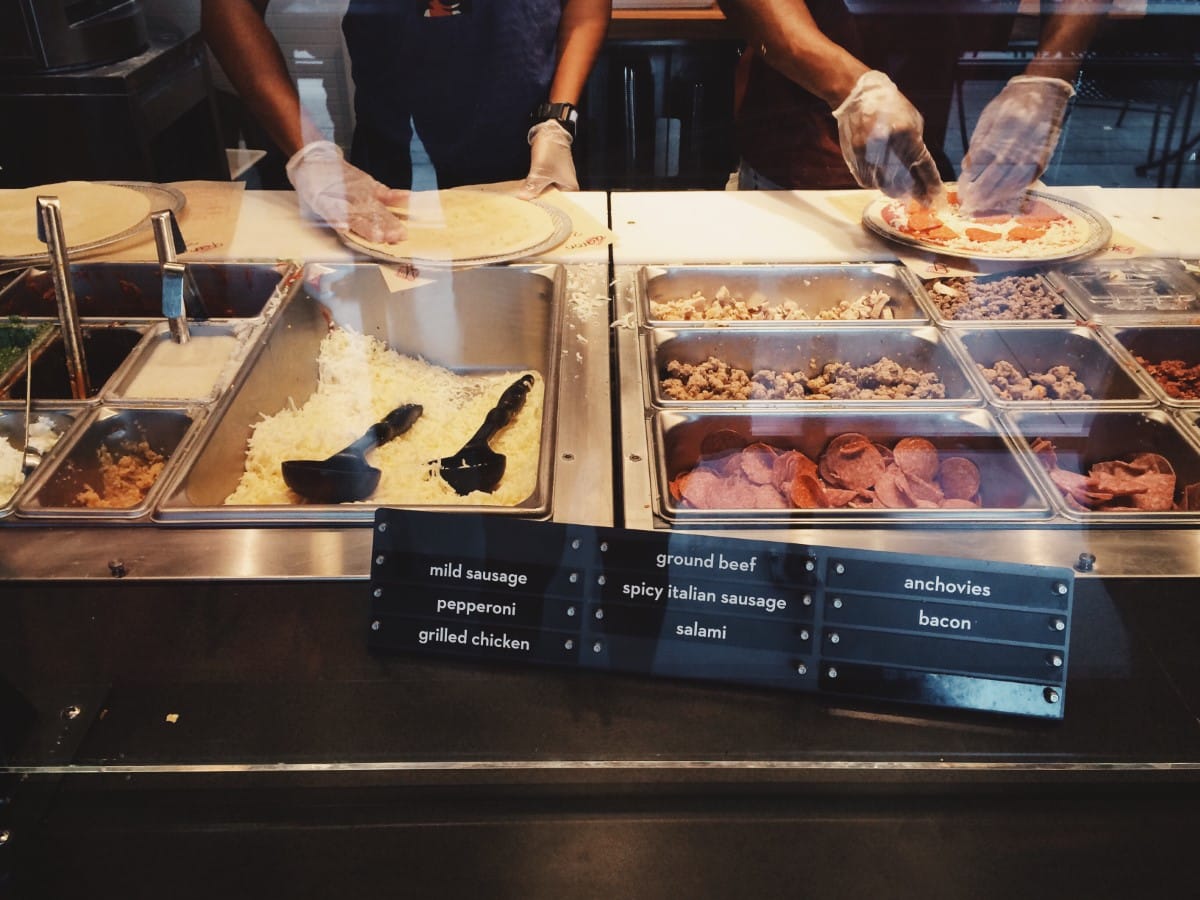
DIY Quality Improvement Initiative for Pizza Making at Zero-Defect Pizzeria

Zero-Defect Pizzeria focuses on making high-quality pizzas consistently and reducing mistakes in the pizza-making workflow. By using DIY methods in their kitchen, the pizzeria enables workers to influence pizza quality through teamwork and ongoing improvement. Below is a simplified DIY quality initiative designed for the pizza-making process.

1. Encourage Workers to Manage Quality Control

Goal: Inspire workers to be accountable for pizza quality during the preparation process.

Method:

Each pizza maker receives training to perform a brief quality assessment before advancing to the next phase. For example, they confirm that the dough is evenly stretched and the toppings are correct as per the order. This routine of self-assessment at each phase guarantees that every pizza meets the required standards.

2. Make a “Quality Pizza Checklist” for the Team

Goal: Make sure all pizzas are checked for key parts before leaving the kitchen.

Steps:

Create an easy checklist to follow before pizza goes into the oven. For instance:

  • Is the dough stretched well?
  • Are toppings correct and spread out?
  • Is the cheese evenly spread?

Execution:

Put this checklist up where all chefs can see it to remind them of each quality step.

3. Assign Specific Areas for Each Topping

Goal: Decrease topping mistakes by arranging ingredients and tools in specific, easy-to-reach areas.

Task:

Create clearly marked, color-coded topping areas (for instance, green for veggies, red for meats) to help chefs quickly identify the right ingredients. This setup lowers errors and simplifies the topping process, cutting down the possibility of confusion.

4. Boost Continuous Improvement with a “Pizza Feedback Wall”

Goal: Establish a location for staff to share ideas for enhancing pizza quality.

Step:

Install a notice board where employees can note improvement suggestions, such as “use a certain ladle for sauce to have similar portions” or “consider pre-slicing some toppings to reduce time.” Assess these suggestions each week and put into action practical ideas.

5. Establish a “Pre-Oven Check” Process

Goal: Identify mistakes prior to baking to prevent customer complaints and minimize waste.

Identify mistakes prior to baking to prevent customer complaints and minimize waste.

Procedure:

Instruct staff to conduct a final review before putting pizzas in the oven. They confirm that the pizza appears correct, has the proper toppings, and is set for baking. This step is important to prevent mistakes that can only be fixed by creating a new pizza.

6. Support Bottom-Up Innovation with Team Meetings

Goal: Get team members to work together to find and fix ongoing quality problems.

Plan:

Have monthly meetings where chefs, delivery workers, and customer service staff can talk about what they have seen and experienced.

For instance, if delivery drivers see that pizzas are usually cold upon arrival, they may recommend using insulated bags or changing the baking method to keep the pizzas warmer for longer.

7. Set Clear Quality Goals for the Team

Goal: Define what “zero-defect” means for pizza quality and set measurable goals to track improvements.

Action:

Establish key performance indicators (KPIs) like “order accuracy” (percentage of orders with correct toppings) and “bake consistency” (consistency in crust texture and color). Communicate these goals to employees, so everyone is aligned and motivated to meet them.

8. Provide Needed Tools and Support

Goal: Make sure the pizza-making group has what they need to improve quality.

Step:

Set aside a little money for kitchen tools, such as special dough cutters, measuring devices, or topping dispensers that help with portioning. These tools support the making of pizza that is good and consistent.

9. Monitor and Adjust Based on Customer Feedback

Goal: Monitor how well quality improvements work and change based on customer feedback.

Step:

Gather customer opinions, both online and in shops, to evaluate the effects of DIY efforts. For instance, if customers often note dough is undercooked, modify the oven settings or baking duration according to what customers say to enhance uniformity.

10. Celebrate Success and Acknowledge Contributions

Goal: Acknowledge staff for their work and ideas that enhance pizza quality.

Task:

Celebrate achievements in quality by recognizing individuals or groups who suggest effective improvements. For example, if a new way of arranging toppings cuts mistakes by 15%, highlight the team member who proposed it in a group meeting and provide a minor reward.

Expected Gains for Zero-Defect Pizzeria

Goal: Monitor how well quality improvements work and change based on customer feedback.

  1. Reliable Pizza Quality: Set methods help keep quality steady, meaning customers get the same tasty pizza every visit.
  2. Better Employee Involvement: Workers feel part of the quality effort, encouraging them to seek ways to enhance their tasks.
  3. Savings on Costs: Finding errors before baking helps save ingredients, time, and money related to redo orders.
  4. Increased Customer Happiness: Customers like consistent quality and care, which boosts loyalty and good feedback.

By following these simple steps, Zero-Defect Pizzeria can create a culture focused on quality, ongoing improvement, creativity, and staff empowerment—aimed at delivering perfect pizzas each time.

FAQ

What is 5-Why Analysis?

5-Why Analysis is a problem-solving technique used to identify the root cause of an issue by repeatedly asking the question “Why?”. It’s a straightforward, iterative process often used in quality management and continuous improvement practices.

The 5-Why Analysis was developed by Sakichi Toyoda and became an integral part of the Toyota Production System, emphasizing efficiency and waste reduction in manufacturing processes.

  • The objective is to move beyond treating symptoms and instead identify and address the underlying root cause of a problem, leading to more sustainable solutions.

  • To use 5-Why Analysis, start by clearly defining the problem. Then ask ‘Why?’ to determine the immediate cause, and continue asking ‘Why?’ for each answer you get. Repeat this process until the root cause is identified, then develop a plan to address it.

  • Its principles include sequential questioning, focusing on root causes, simplicity, empirical approach, team involvement, action orientation, avoiding blame, and documentation of learnings.

  • Benefits include its simplicity and ease of use, promoting a deeper understanding of problems, helping prevent issue recurrence, and encouraging team collaboration and communication.
  • Yes, limitations include potential oversimplification of complex problems, heavy reliance on the knowledge of those involved, and the possibility of not identifying all contributing factors.

Ensure cross-functional team participation, focus on systemic causes rather than blaming individuals, and support reasons with data and evidence for an effective analysis

Yes, it’s adaptable and can be used across various industries, including manufacturing, healthcare, IT, and more, wherever problem-solving and quality improvement are needed.

How does 5-Why Analysis integrate with other tools like Ishikawa / Fishbone Diagrams?

5-Why Analysis can complement tools like Ishikawa 7 Fishbone Diagrams, where the Fishbone identifies multiple potential causes, and 5-Why helps drill down to the root causes of each identified factor.

Table of Contents
    Add a header to begin generating the table of contents
    Newsletter
    social media
    related post

    Have you ever wondered why some problem-solving efforts succeed while others fail? I have seen thousands of 8D reports and......

    “What is quality?” or “What are you exactly doing in quality?”, sometimes people, my family or friends are asking. After......

    “I’d rather clean the toilets in our office building than doing that.” That was my reaction when I was asked......

    RELATED Modules
    Ready to cut Quality Issues, boost Customer Satisfaction, and keep your Team happy?

    Join Zero Defect Pizza and discover powerful tools, proven methods, and expert insights to minimize defects, maximize customer satisfaction, and keep your teams motivated—one slice at a time. Schedule a meeting or explore our resources today.

    Contact Form

    Name
    Newsletter
    Newsletter Sign-Up
    Name
    Contact