SIPOC Diagram

SIPOC diagram icon showing Supplier, Input, Process, Output, and Customer columns.

What Is a SIPOC Diagram?

The SIPOC method stands for Suppliers, Inputs, Process, Outputs, and Customers. It is a useful tool for improving processes and managing quality. It acts like a simple map of the process that helps organizations to better under their processes.

SIPOC has origins in Total Quality Management (TQM) and Lean Six Sigma approaches, which focus on making processes better and improving quality.

Why Use a SIPOC Diagram?

The main goal of using SIPOC is to give a clear view of a process, showing important parts, and making sure that everyone involved understands how it works.

When to Use a SIPOC Diagram

SIPOC is used in many industries to define and document processes. It is especially helpful for Six Sigma and Lean projects, where it is important to optimize processes.

SIPOC Diagram Principles

The principles of a SIPOC diagram are:

Suppliers

In the SIPOC method, the Suppliers part is very important for understanding processes. This means finding and recording the sources that give inputs to a process. These sources might be outside vendors, partners, or even internal departments or individuals. By identifying suppliers clearly, organizations can learn about how reliable and good the inputs are, which helps in better communication and teamwork with these groups. This principle makes sure that the raw materials, information, or resources needed for the process are known and can be managed well to keep quality and consistency in the process.

Inputs

The Inputs part of the SIPOC method is about listing and explaining the materials, data, or information necessary for a process to work well. This step is very important because it forms the foundation of the process map. By carefully identifying and noting the inputs, organizations can avoid missing anything, which helps prevent problems and errors in the process. Inputs can include physical items, digital data, or even skills and knowledge. Effectively managing inputs is crucial for getting the right process results and keeping high-quality standards.

Process

The Process section in SIPOC is the core of the method as it describes the steps taken to change inputs into outputs. This section gives a clear, detailed explanation of how tasks are performed, helping all parties understand the process flow. It makes it easier to see how inputs are handled and changed to achieve the desired outcomes. A clearly defined process lets organizations spot inefficiencies and areas for improvement, making it essential for optimizing processes and managing quality.

Outputs

Outputs in the SIPOC method list the results or products that come from a specific process. These outputs show the concrete or abstract outcomes that the process is meant to create. Whether a physical item, a digital document, or a service, recording the outputs is important for evaluating how effective the process is and ensuring it meets organizational goals and quality standards. Knowing what the process produces helps determine its value for customers and stakeholders, allowing organizations to make smart decisions on process improvements and resource use.

Customers

The Customers part in SIPOC focuses on finding out who gets the process outputs. It’s crucial to know who benefits from what the process delivers, as this information guides the process's goals and priorities. By clearly identifying customers, organizations can adjust their processes to better meet customer needs and expectations, which boosts overall satisfaction and quality. Additionally, this principle helps create ways to communicate with customers, gather their feedback, and ensure the process meets their needs, leading to ongoing improvement and a focus on customers.

How to Create a SIPOC Diagram

1. Select a process

First, you must pick a specific process for analyzing and improving using the SIPOC method. It is important to choose a process that aligns with organizational goals and requires clarity and improvement. Focusing on this will help to use the SIPOC framework effectively and understand the process well. This initial step is vital for the entire SIPOC approach, directing the efforts on clear improvement areas.

2. Identify suppliers and customers

After selecting the process, the next step is to figure out who the suppliers and customers are for that process. Suppliers provide inputs, while customers are those who receive the outputs. Recognizing this distinction is important for setting up clear communication and accountability. Knowing who is involved at each end helps in understanding the flow of materials, information, and value throughout the process.

3. List inputs and outputs

Once suppliers and customers are identified, the next task is to list all inputs and outputs of the process. Inputs include materials or information needed for the process to work, while outputs are the results produced. This step needs attention to detail to ensure everything is captured. It is central to the SIPOC diagram and gives a full picture of what goes into and comes out of the process. Properly documenting these elements is key for effective analysis.

4. Map the process

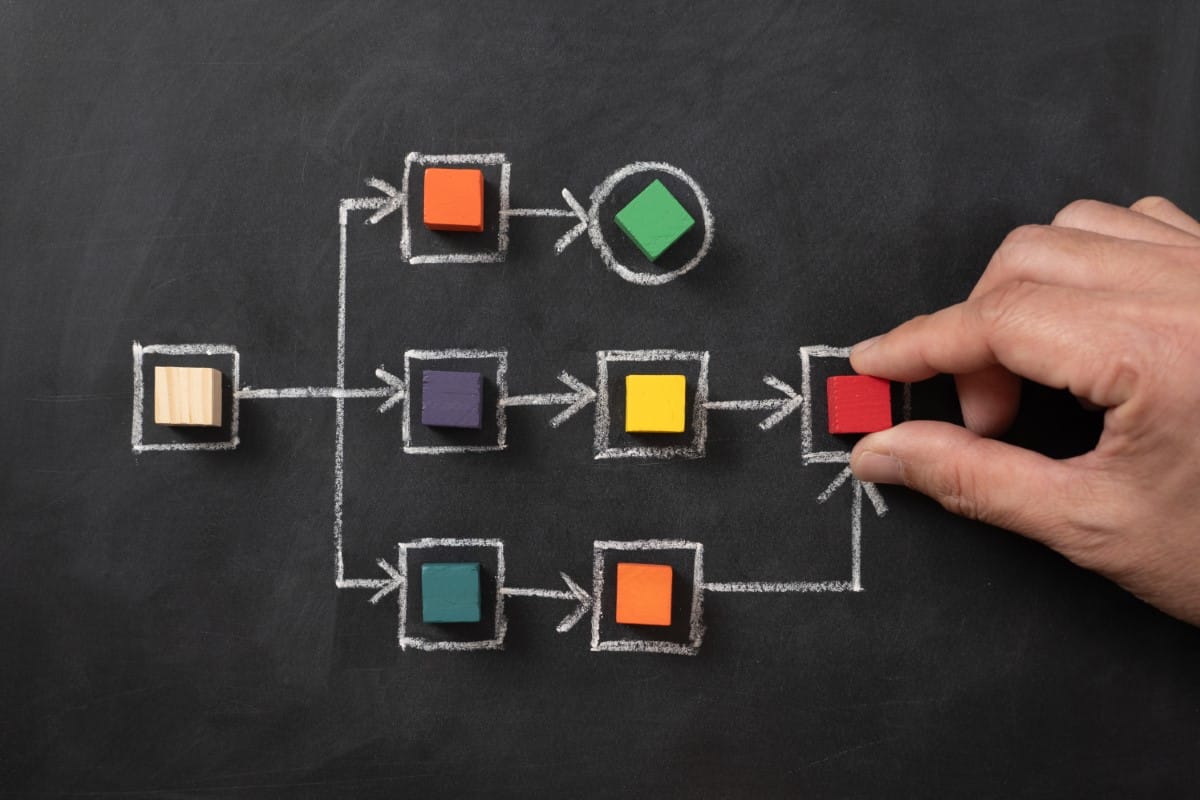
With inputs and outputs noted, the next step is to create a visual mapping of the process. This involves outlining the steps that turn inputs into outputs. The aim is to develop a clear flowchart that shows how the work occurs. This makes it easier for everyone to see the process and find areas where improvements can be made. Visualization is crucial for process transparency and supports better problem-solving and optimization.

5. Review and validate

The last step in the SIPOC approach is to review and confirm the collected information. This means checking the accuracy of data and process mapping and obtaining feedback from key stakeholders. Validation is essential to ensure that the SIPOC diagram truly reflects the chosen process and matches the actual workflow. It is a chance to involve team members and experts to refine the process map. A comprehensive review and validation helps ensure that the SIPOC analysis is dependable and useful, paving the way for effective process improvement efforts.

How to Combine the SIPOC Diagram with Other Quality Tools

The SIPOC Diagram is a PROCESS SCOPING tool – it defines boundaries and stakeholders, not root causes. To build a complete quality system, combine SIPOC with these essential tools:

8D-Report

SIPOC defines the process; 8D solves problems within it. “SIPOC shows the assembly process scope – 8D investigates why defects occur in Step 4.” Use SIPOC in D2 (Problem Description) to ensure the team analyzes the right process. SIPOC scope = 8D scope.

SIPOC gives the 30,000-foot view; Flow Charts show the detailed steps. “SIPOC shows 6 high-level steps – Flow Chart expands Step 3 into 25 detailed activities.” SIPOC first, then Flow Chart for areas needing detail. Don’t skip SIPOC and dive into flows.

SIPOC defines boundaries; VSM adds time, inventory, and flow data. “SIPOC scoped our order-to-delivery process – now VSM shows where 3 weeks of inventory sits.” SIPOC = what’s in scope. VSM = where waste hides. Use together for Lean transformations.


SIPOC defines the process; Is-Is-Not sharpens the problem within it. “SIPOC shows the painting process – Is-Is-Not reveals defects only occur in morning shifts.” SIPOC sets boundaries, then Is-Is-Not focuses investigation. Both reduce scope creep.

5W2H describes the problem; SIPOC shows where that problem occurs. “5W2H says 15% scrap rate since January – SIPOC shows which process to investigate.” 5W2H = What happened? SIPOC = Where in the process? Use together for clear problem framing.

SIPOC identifies the process; Ishikawa brainstorms causes within it. “SIPOC defines the baking process – Ishikawa explores all potential causes for undercooked pizzas.” SIPOC prevents Ishikawa from wandering into wrong processes. Scope first, brainstorm second.

SIPOC shows the process; 5-Why drills to root cause of specific failures. “SIPOC shows Step 5 (Packaging) – 5-Why investigates why boxes collapse.” SIPOC ensures 5-Why analyzes the right process step. Without SIPOC, 5-Why often starts in wrong area.

SIPOC lists process steps; FMEA analyzes risks in each step. “SIPOC shows 7 process steps – FMEA examines what could fail in each.” SIPOC structure becomes FMEA structure. Each SIPOC step = FMEA process element. Systematic risk coverage.

SIPOC identifies key outputs; Control Charts monitor those outputs. “SIPOC shows ‘Finished Pizza’ as output – Control Chart tracks pizza diameter variation.” SIPOC defines WHAT to monitor; Control Charts show HOW to monitor. Connect outputs to measurements.

SIPOC defines the process; Pareto prioritizes defects within it. “SIPOC covers the assembly process – Pareto shows 70% of defects are component misalignment.” SIPOC sets the analysis boundary; Pareto reveals the vital few. Together: focused priorities.

SIPOC identifies what to measure; Check Sheet collects that data. “SIPOC output is ‘Inspected Parts’ – Check Sheet tallies defect types found.” SIPOC → Check Sheet → Pareto → Root Cause. Logical data collection flow.

SIPOC shows the process; OEE measures equipment performance within it. “SIPOC Process Step 4 is ‘CNC Machining’ – OEE tracks that machine’s effectiveness.” SIPOC identifies equipment-dependent steps; OEE measures them. Equipment focus within process context.

SIPOC reveals handoffs; Poka Yoke prevents errors at handoffs. “SIPOC shows Input ‘Raw Material’ from Supplier – Poka Yoke ensures material can’t be loaded incorrectly.” SIPOC identifies error-prone transitions; Poka Yoke eliminates them. Prevention at boundaries.

SIPOC maps the process; CoQ quantifies quality costs within it. “SIPOC covers production – CoQ shows $50K monthly failure costs in Step 6.” SIPOC identifies WHERE costs occur; CoQ quantifies HOW MUCH. Business case for improvement.

SIPOC defines improvement scope; PDCA executes improvement. “SIPOC scoped ‘Order Entry’ process – PDCA improves data entry accuracy.” Plan (define with SIPOC), Do, Check, Act. SIPOC in Plan phase ensures clear boundaries

SIPOC provides process context for A3 problem-solving. “A3 box 2 (Current Condition) includes our SIPOC showing the affected process.” A3 needs process understanding; SIPOC provides it concisely. One-page problem-solving starts with clear scope.

SIPOC shows linear flow; Turtle adds resources around the process. “SIPOC shows Inputs-Process-Outputs – Turtle adds Who, How, KPIs, Equipment.” SIPOC = process flow. Turtle = process resources. Together: complete process view for audits.

Benefits of the SIPOC Diagram

Gives a complete picture of a process

A key benefit of the SIPOC method is that it provides a full overview of a process. By dividing the process into core components such as suppliers, inputs, process steps, outputs, and customers, organizations can grasp how the process operates overall. This comprehensive view assists stakeholders in recognizing the broader context, helping them to see how various elements connect. It fosters a clearer understanding of how each segment influences the final outcome, leading to a more educated strategy for managing and enhancing the process.

SIPOC is a good tool to identify delays and inefficiencies in a process. By laying out the entire process and its parts, organizations can see where delays occur, resource use is lacking, or steps are not needed. This understanding is crucial for enhancing operations and boosting efficiency. Identifying delays assists organizations in better resource utilization, while discovering inefficiencies prompts them to consider redesigning or automating processes. Thus, SIPOC serves as a diagnostic tool, guiding organizations to target their improvement efforts effectively.

Good communication is essential for successful process management, and SIPOC plays a key role in improving it within teams. The process map generated through SIPOC is a visual aid that simplifies complex ideas, making it easier for team members from various backgrounds to understand and discuss the process. This common understanding encourages better teamwork and coordination among members. It ensures that everyone involved is aligned, resulting in quicker problem-solving, decision-making, and overall collaboration.

SIPOC is a strong tool for problem-solving and improving processes. After the process is clearly documented and visualized, organizations can easily find areas that need enhancement. Whether it’s tackling delays, cutting waste, or improving output quality, SIPOC gives a structured basis for addressing issues. The method also helps optimize processes by enabling informed decision-making. By examining each part of the SIPOC diagram, organizations can create strategies and action plans to improve operations, cut costs, and boost overall process performance. It is an important step toward ongoing improvement and staying competitive in a changing business landscape.

Limitations of SIPOC Diagrams

May make complex processes seem simpler

One disadvantage of the SIPOC method is that it can make complex processes appear simpler than they are. SIPOC gives a broad view of a process, which is good for understanding the basics, but it may miss the detailed aspects of more complicated workflows. Complex processes usually have many sub-processes, decision points, and links that a simple SIPOC diagram might not show clearly. Therefore, organizations should be careful not to depend only on SIPOC and think about using more detailed process mapping tools or methods to explore the complexity further.

Another limitation of the SIPOC is, that it does not explore detailed steps in each process. It offers a high-level view, but it lacks a full breakdown of every action or decision at each part of the process. This shortcoming can be tough when organizations need a detailed understanding of specific process elements. In these cases, extra tools or methods might be necessary to capture and analyze the smaller details of the process for better evaluation.

SIPOC diagrams, like all process documents, need regular updates to stay effective. As processes change due to advancements in technology, business needs, or outside influences, the SIPOC diagram may become old and unreliable. Not keeping it current can result in misunderstandings of processes and wrong decisions. To avoid this issue, organizations should set up a system for regularly reviewing and updating SIPOC diagrams to ensure they align with current operations. This ongoing care is crucial for maintaining the usefulness of the SIPOC method.

SIPOC Diagram Best Practices

Keep the SIPOC diagram simple and clear

A good tip when making a SIPOC diagram is to keep it simple and clear. Do not add too many details or make it too complex. The main aim of a SIPOC diagram is to give a broad view of a process, so it is easy for many people to understand. By making it simple and easy to see, you help team members and stakeholders quickly understand the key parts of the process without getting lost in details. This helps in better communication and decision-making.

Review and update the SIPOC regularly as processes change

To get the most from a SIPOC diagram, it is important to regularly review and update it. Processes change due to various reasons like new technology, changes in the organization, or shifts in the market. By frequently checking and revising your SIPOC diagrams, you make sure they represent the current operations well. This keeps the diagram relevant and helps you spot areas for improvement as things evolve. Regular reviews help ensure your process documentation matches reality, aiding better decision-making and ongoing improvement.
Use it with other tools for deeper analysis

While SIPOC gives a useful overview, it is best to use it alongside other process improvement tools for deeper analysis. Pairing SIPOC with tools like Value Stream Mapping, Fishbone diagrams, or Process Flowcharts can help you understand complex processes better. These additional tools let you look closely at specific problems, find root causes, and create detailed plans for improvement. Incorporating SIPOC into a wider set of process improvement methods improves your ability to tackle both overall and specific process issues effectively.

SIPOC Diagram Example: Pizza Production

Zero-Defect Pizza SIPOC

Here is how the SIPOC for Zero-Defect Pizza looks like:

FAQ SIPOC Diagram

What is SIPOC Diagram?
 

SIPOC stands for Suppliers, Inputs, Process, Outputs, and Customers. It is a high-level process mapping tool used in Lean Six Sigma and quality management to visualize the key components of any process at a glance.

SIPOC illustrates the end-to-end flow of a process: who provides the inputs (Suppliers), what materials or information are needed (Inputs), the 5-7 high-level steps (Process), what results are produced (Outputs), and who receives them (Customers).

SIPOC is used in Lean Six Sigma projects (DMAIC Define phase), 8D problem-solving (Step D2), process improvement initiatives, new employee onboarding, and whenever teams need to align on process boundaries before detailed analysis.

SIPOC prevents scope creep and miscommunication by clearly defining process boundaries. When teams agree on what’s “in scope,” they analyze the right process, leading to faster root cause identification and more targeted improvements.

The main objective is to create a shared understanding of a process among all stakeholders. SIPOC ensures everyone agrees on the start point, end point, suppliers, customers, and key steps before diving into detailed analysis.

SIPOC originated in Total Quality Management (TQM) during the 1980s and became widely adopted through Lean Six Sigma methodologies in the 1990s. Today it is a standard tool in DMAIC, 8D, and other structured problem-solving frameworks.

The five elements correspond to each letter: Suppliers (who provides inputs), Inputs (what’s needed), Process (5-7 high-level steps), Outputs (what’s produced), and Customers (who receives the outputs).

Select a process to analyze. 2) Start with the Process column and list 5-7 high-level steps. 3) Work backwards to identify Outputs and Customers. 4) Work forwards to identify Inputs and Suppliers. 5) Review and validate with stakeholders.

Key benefits include: clear process overview for all stakeholders, team alignment on scope, identification of key suppliers and customers, improved communication, foundation for detailed analysis tools, and faster problem-solving through defined boundaries.

Limitations include: oversimplification of complex processes, no detailed sub-process information, requires regular updates as processes change, and works best as a starting point rather than a standalone detailed analysis tool.

Keep it simple with only 5-7 process steps. Involve the team for multiple perspectives. Update regularly as processes change. Combine SIPOC with detailed tools like flowcharts, value stream maps, or Ishikawa diagrams for deeper analysis.

In pizza production: Suppliers include flour mills, cheese vendors, and tomato farms. Inputs are ingredients, recipes, and equipment. Process covers receiving, dough prep, assembly, baking, QC, and packaging. Outputs are finished pizzas. Customers are end consumers and retailers.

Table of Contents
    Add a header to begin generating the table of contents
    Newsletter
    social media
    related post

    Have you ever wondered why some problem-solving efforts succeed while others fail? I have seen thousands of 8D reports and......

    “What is quality?” or “What are you exactly doing in quality?”, sometimes people, my family or friends are asking. After......

    “I’d rather clean the toilets in our office building than doing that.” That was my reaction when I was asked......

    RELATED Modules
    Ready to cut Quality Issues, boost Customer Satisfaction, and keep your Team happy?

    Join Zero Defect Pizza and discover powerful tools, proven methods, and expert insights to minimize defects, maximize customer satisfaction, and keep your teams motivated—one slice at a time. Schedule a meeting or explore our resources today.

    Contact Form

    Name
    Newsletter
    Newsletter Sign-Up
    Name
    Contact