Zero Mistakes, Happy Customers!
Poka Yoke: Ever tried plugging USB in wrong or had your car refuse to start in gear? You've experienced Poka-Yoke—mistake-proofing that stops errors before they happen. Born from Toyota's manufacturing brilliance, this Japanese concept eliminates human error through clever design. This video demonstrates the 6 principles (elimination to mitigation), 5-step implementation process, and 6 device categories that transform workflows and prevent costly defects—no high-tech wizardry required.
You'll learn: What Poka-Yoke prevents (costly errors) • 6 mistake-proofing principles • The 5-step implementation process • 6 device categories for different error types
Video Transcript
What Is Poka Yoke?
Poka Yoke, a term from Japan, means “mistake-proofing” or “error-proofing.” It is a method in lean manufacturing to stop mistakes before they happen or catch them right away when they do. This approach is common in production to improve quality by reducing human error chances.
Poka Yoke tools are usually simple design changes or steps in a process that act as reminders, automatic stops, or ways to fix problems.
Poka Yoke was created by Shigeo Shingo in the 1960s at Toyota. It was part of the Toyota Production System and originated from the desire for perfect production without mistakes. Shingo aimed to create methods to prevent errors from happening at all instead of perform quality control afterwards.
Poka Yoke – Real-World Examples
1. Pizza Production
Daily Pizzeria Operations
Complete Poka Yoke industry example for food production. Shows systematic error prevention applied to pizza quality: 15 mistake-proofing solutions implemented including grid templates for topping placement, weight sensors for sauce dosing, and metal detectors before packaging. Data analysis: 450 defects prevented with €50 template investment. Key solutions: physical prevention (Level 3), warning systems (Level 2), and visual guidance (Level 1).
💡 Want to create your own? Contact me for the free template.
2. Automotive / Manufacturing
Final Assembly Line
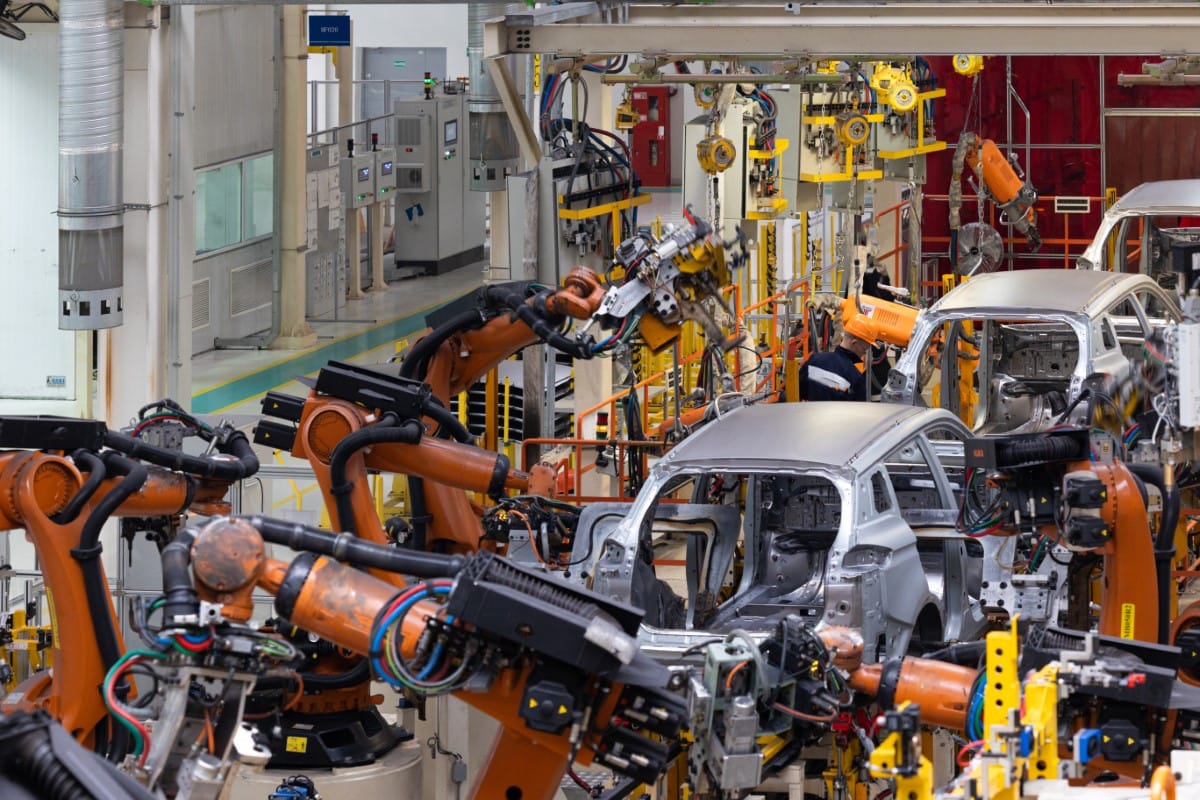
Complete Poka Yoke industry example for automotive manufacturing. Shows IATF 16949-compliant error prevention for assembly operations: 15 mistake-proofing solutions including torque wrenches with MES protocol, asymmetric fixtures for door assembly, and 3D vision for weld inspection. Analysis: 2,800 defects prevented with sensor-based solutions. Countermeasures: interlocks, RFID verification, and pick-to-light systems.
💡 Want to create your own? Contact me for the free template.
3. Pharmaceutical / Life Sciences
Sterile Production Line
Complete Poka Yoke industry example for pharmaceutical production. Shows GMP-compliant error prevention for sterile manufacturing: 15 mistake-proofing solutions documented including gravimetric dosing with ±0.01g accuracy, airlocks with pressure cascade, and camera verification for batch numbers. Critical controls: 180 deviations prevented through physical prevention systems. CAPA integration included.
💡 Want to create your own? Contact me for the free template.
4. Service Industry
Customer Service Center
Complete Poka Yoke industry example for service operations. Shows systematic error prevention for call center and office processes: 15 mistake-proofing solutions captured including form validation blocking invalid entries, workflow systems enforcing approval sequences, and barcode scanning for order verification. Data: 2,400 errors prevented through software validation. Improvements: CRM integration and auto-complete systems.
💡 Want to create your own? Contact me for the free template.
5. IT/Software Industry
IT Operations / DevOps
Complete Poka Yoke industry example for IT operations. Shows structured error prevention for cloud infrastructure and development: 15 mistake-proofing solutions monitored including CI/CD pipeline validation, infrastructure-as-code preventing manual changes, and git hooks for pre-commit tests. Analysis: 450 deployment errors prevented through automated checks. Security: MFA + RBAC access protection implemented.
💡 Want to create your own? Contact me for the free template.
Why Use Poka Yoke?
The purpose of the poka-yoke technique is to eliminate product defects by
- preventing them in the first place,
- correcting them or
- drawing attention to human errors as they occur
When to Use Poka Yoke
Poka Yoke methods can be used in any process where mistakes might happen. They are often used in design, production, assembly, and even office work to prevent human errors or to catch them quickly:
- Operations error: Performing a task incorrectly; using the wrong version of the specification.
- Measurement error: Mistakes in machine settings, testing measurements, or dimensions of parts received from a supplier.
- Processing error: Operation was not done as per the standard procedure.
- Setup error: Wrong tools used or machine settings adjusted incorrectly.
- Missing part: Some parts are not included in the assembly, welding, or other steps.
- Improper part/item: Incorrect part utilized in the process.
Six Poka Yoke Mistake-Proofing Principles
The six Poka Yoke principles revolve around a structured step-wise approach:

1. Elimination
"Stop doing it" means to remove the chance of mistakes by changing the product or process so that the task or component is not needed anymore. The initial phase of mistake-proofing is to completely remove the chance of errors by creating processes that ensure mistakes cannot happen. This might involve automating actions or making steps easier to limit human involvement. For instance, creating a part that can only fit in one way stops it from being wrongly installed.

2. Prevention
"Ensure no mistakes can be made" means to create and develop the product or process so mistakes cannot happen. If eliminating the chance of errors is not possible, the next option is to prevent them. Prevention means adding systems that stop mistakes before they occur. Examples of this are jigs, fixtures, or devices that block wrong assembly or tool usage. An example is car ignition systems that stop the engine from starting unless the transmission is in "park" or "neutral."

3. Replacement
"Use something better" means to change to a more dependable process for better consistency. Replacement means changing out unreliable materials, parts, or processes for more dependable ones. For example, if glue is causing problems with wrong usage, changing to a method like screws or bolts might fix the issue.

4. Facilitation
"Make tasks easier to do" means using methods and merging steps to simplify work. This idea emphasizes simplifying processes for workers. Easing tasks involves creating tools, work areas, or directions that lessen the difficulty of a task, which decreases the risk of mistakes. Examples of easing tasks include color-coded wires or clear visual guides.

5. Detection
"See what is wrong and fix it" means to find a mistake before moving forward so the user can swiftly fix the issue. When mistakes can't be avoided, finding them is very important. Tools like sensors or alarms help spot when there is a problem to take quick action. An example is a metal detector on a production line that stops the process if it finds foreign metal in food products.

6. Mitigation
"Do not let the situation get too bad" means to try to minimize the impact of mistakes. When errors happen even with careful plans, mitigation is important. This idea is about lowering the effects of mistakes after they happen. For instance, a backup system for software helps reduce data loss by saving work at set times. This ensures less trouble if something goes wrong.
Poka Yoke Effectiveness
The graph below shows the different level of Poka Yoke effectiveness. Physical prevention works better than warnings or instructions. Many companies use all three levels together to create robust quality systems.
Level 1 uses basic instructions like checklists and manuals. For example, a checklist might remind workers to check all screws before moving to the next step. These methods are simple but less effective.
Level 2 uses warning devices like flashing lights or sounds. Think of a beeping sensor that alerts when a part is missing or a red light that turns on when a worker reaches for the wrong component. These methods catch mistakes as they happen.
Level 3 uses physical devices that actually prevent errors. Examples include jigs that only allow parts to fit one way, like USB connectors that can’t be inserted upside down. Or think of machines that won’t start unless safety guards are in place. Car manufacturers use assembly fixtures that physically block doors from being installed without all components.
Poka Yoke Devices
Guide Pins
Guide pins are mechanical alignment tools that ensure parts are assembled in the correct position. These are particularly useful in preventing errors during manual or automated assembly processes. For example, in automotive manufacturing, guide pins ensure that components like doors and hoods are installed in precise alignment, preventing misfitting.
Error Detection & Alarms
These are systems that provide immediate feedback when an error occurs. Error detection and alarms notify the operator or the system when something is wrong, allowing quick corrective action. A simple example is a smoke detector in a kitchen that triggers an alarm when it detects smoke, indicating a potential fire or cooking hazard.
Limit Switches
A limit switch is a device that triggers when a part reaches a particular position or when a specific condition is met. They are commonly used in machinery to stop motion once a part has reached its limit. For instance, in a CNC machine, a limit switch may stop the spindle once it reaches the end of a machining cycle, preventing over-cutting.
Sensors
Sensors detect physical conditions such as temperature, pressure, distance, or motion, ensuring that processes are running within specified parameters. For example, pressure sensors can stop a press machine if the applied force exceeds the safe limit, preventing damage to the product or machine.
Vision Systems
Vision systems use cameras and image processing software to inspect parts for defects, verify correct assembly, or confirm part presence. These systems are widely used in quality control to automatically check for defects that might be invisible to the human eye. For example, vision systems are used in semiconductor manufacturing to inspect microchips for minute defects.
Counters & Timers:
Counters track the number of times an action occurs, while timers monitor how long a process takes. Both help ensure that the correct steps are followed and completed in a timely manner. For example, in an assembly line, a counter might ensure that every product passes through a particular station, while a timer ensures that each product spends the correct amount of time in a curing oven.
Checklists
Though simple, checklists are highly effective tools to prevent errors of omission. By providing a structured, step-by-step outline, checklists ensure that each necessary action or verification step is completed. For example, surgeons use checklists before operations to ensure that all critical tasks, like sterilization and equipment readiness, are addressed.
How to Implement Poka Yoke
1. Identify risky process steps
The first part of Poka Yoke is to check the process and find where mistakes happen a lot or might happen, causing defects or quality problems. This means looking at each task in the workflow, especially at important spots where changes or complexity can bring risks. Gather information from past problems, quality reports, feedback from workers or brainstorming to point out these weak points.
For instance, if employees say they often make mistakes during assembly or checking, these areas should be noted for more discussion. The aim is to clearly identify “where” mistakes are likely to occur, allowing for a focused approach in later steps.
2. Analyze and Identify Root Causes
Once the risky areas are found, the next step is to look at why and how these mistakes occur. This means identifying specific reasons for each error, including human issues like tiredness, mental strain, or unclear directions, as well as process problems, like complicated equipment settings or inconsistent material quality.
Methods like the “5 Whys” or fishbone diagrams can help trace mistakes to their root causes. Knowing these root causes is key since it helps ensure the Poka Yoke solution deals with the main problems instead of just the symptoms. For example, if a mistake during assembly is due to vague instructions, the answer may be to simplify or improve the guidance.
3. Design Solutions to Prevent Errors
With a good understanding of how and why mistakes happen, a specific Poka Yoke mechanism can be made to stop or quickly spot the error. This mechanism can come in different forms, such as physical changes (like jigs or guards), visual signals (like color coding), or process checks (like confirmation prompts).
The choice of solution will depend on the type of error and available resources. For example, if a part is often put in the wrong way, a mechanical fixture that only allows the correct orientation can completely stop the mistake.
The design should be as simple and cost-effective as possible while dealing with the identified problem effectively.
The design should follow the characteristics of Poka Yoke solutions:
- It should be easy and inexpensive.
- It must be included in the process.
- It needs to be positioned where errors may happen.
- It should guarantee that the error does not leave the process.
4. Test and refine
After creating the Poka Yoke mechanism, it is important to initially implement it on a small scale and thoroughly test its success. Keeping a close eye on the process will show if the solution indeed reduces or removes the targeted mistakes. Feedback from workers and data on error rates before and after implementing can offer insights into its effectiveness. If the Poka Yoke does not fully work, adjustments may be necessary—this might include changing the design, adding more signals, or changing operator training.
Repeated testing ensures the solution is improved to work best in the specific context of the process.
5. Standardize
When the Poka Yoke solution has been tested and proven to work consistently, it can be formalized as a regular part of the process. Writing down the solution in standard operating procedures (SOPs) ensures it becomes a key part of quality control, consistently applied and known by all workers.
Training may be required to help employees understand the new method, and regular reviews can help confirm it stays effective as situations change. Standardization encourages a culture of ongoing improvement and mistake prevention, embedding quality into the heart of the process itself.
How to Combine the Poka Yoke with Other Quality Tools
Poka Yoke is a PREVENTION tool – it eliminates errors at the source. To identify where Poka Yoke is needed and validate its effectiveness, combine with these essential tools:
FMEA
FMEA identifies risks; Poka Yoke mitigates them. “FMEA shows RPN of 280 for ‘wrong orientation’ – implement Poka Yoke to reduce Occurrence and Detection scores.” FMEA prioritizes; Poka Yoke prevents. After implementing Poka Yoke, update FMEA to reflect reduced risk. Risk identification → Error elimination.
5-Why Analysis
When errors occur despite existing controls. “Part still installed wrong – 5-Why reveals fixture allows both orientations.” 5-Why finds the gap in error prevention; Poka Yoke closes it. Root cause often reveals missing or ineffective Poka Yoke. Cause analysis → Prevention design.
Ishikawa Diagram
When identifying potential error sources systematically. “Brainstorm all ways this assembly could go wrong across 6M categories.” Ishikawa maps error possibilities; Poka Yoke addresses each one. Man errors → fixtures; Method errors → sequence controls; Material errors → verification. Systematic identification → Comprehensive prevention.
Is-Is-Not Analysis
When understanding where errors occur and don’t occur. “Defects only on Line 2, not Line 1 – what’s different?” Is-Is-Not reveals that Line 1 has a fixture that Line 2 lacks. Discovering existing Poka Yoke explains differences. Problem definition → Prevention gap identification.
8D Report
When customer complaints require permanent corrective action. “D5 requires permanent solution – Poka Yoke is the answer.” 8D Step D5 (Permanent Corrective Action) often results in Poka Yoke implementation. D7 validates it prevents recurrence. Structured problem-solving → Designed-in prevention.
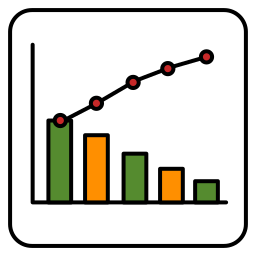
Pareto Chart
When prioritizing which errors to Poka Yoke first. “47 defect types – which ones deserve Poka Yoke investment?” Pareto identifies the vital few errors causing 80% of problems. Implement Poka Yoke for top 3-5 first. Limited resources → Maximum impact.
Control Chart
When monitoring process stability after Poka Yoke implementation. “Poka Yoke installed – is the defect truly eliminated?” Control Chart shows if defect rate dropped to zero and stays there. Continued variation means Poka Yoke isn’t 100% effective. Prevention implemented → Ongoing validation.
Check Sheets (Tally Sheets)
When collecting data on error types and frequencies. “Before designing Poka Yoke, understand what errors actually occur.” Check Sheets document error patterns that inform Poka Yoke design. You can’t prevent what you don’t understand. Data collection → Informed design.
OEE (Overall Equipment Effectiveness)
When errors cause quality losses in OEE calculation. “OEE Quality factor is 94% – what’s causing 6% loss?” OEE identifies quality as a loss category; Poka Yoke eliminates specific causes. Poka Yoke directly improves OEE Quality component. Loss measurement → Targeted prevention.
PDCA
When implementing Poka Yoke systematically. “Plan: Design Poka Yoke. Do: Pilot implementation. Check: Validate effectiveness. Act: Standardize and deploy.” PDCA ensures Poka Yoke is tested before full rollout. Failed Poka Yoke catches errors in pilot, not production. Systematic implementation → Validated prevention.
Kaizen / Continuous Improvement
When rapid improvement events focus on error elimination. “Kaizen week goal: Zero assembly defects through Poka Yoke.” Kaizen events provide dedicated time and cross-functional teams for Poka Yoke design and implementation. Quick wins build momentum. Focused event → Rapid implementation.
Standard Work
Is-Is-Not reveals where error-proofing is needed. “Operator B never has defects – what does Operator B do differently?” The IS NOT condition often contains the Poka-Yoke solution.
Cost of Quality (CoQ)
When capturing successful Poka Yoke for future projects. “This Poka Yoke worked brilliantly – document for next product launch.” Lessons Learned database of effective Poka Yoke accelerates future implementations. Don’t reinvent solutions; replicate proven ones. Success documentation → Organizational learning.
A3 Method
When documenting the Poka Yoke project on one page. “A3 shows problem, analysis, countermeasure (Poka Yoke), and results.” A3 format communicates Poka Yoke rationale and effectiveness to leadership. Visual management of improvement projects. Problem documentation → Solution communication.
Action Management
When tracking Poka Yoke implementation tasks. “Poka Yoke design complete – track fabrication, installation, validation, training.” Multiple steps between design and full deployment require coordination. Action Management ensures nothing falls through cracks. Design → Managed implementation.
Design for Manufacturing (DFM)
Lessons Learned
When capturing successful Poka Yoke for future projects. “This Poka Yoke worked brilliantly – document for next product launch.” Lessons Learned database of effective Poka Yoke accelerates future implementations. Don’t reinvent solutions; replicate proven ones. Success documentation → Organizational learning.
Benefits of Poka Yoke
Quality Improvement
Cuts Down Defects, Resulting in Better Products and Services
One key benefit of Poka Yoke is how it enhances quality by lowering defects right from the start. By crafting processes that stop mistakes, Poka Yoke aids in delivering better products and services, as every stage contains measures to prevent errors. This leads to fewer defects reaching clients, boosting customer satisfaction and trust.
With improved quality standards integrated into operations, companies can ensure consistency in what they produce, bolstering their quality reputation in the industry. In the end, better quality leads to lower return rates, a stronger competitive position, and enhanced brand loyalty.
Customer Satisfaction
Builds Customer Trust and Loyalty by Providing Quality
The fewer defects that reach customers, the greater their satisfaction and trust in your products.
Therefore Poka Yoke is important for increasing customer satisfaction by making sure products and services meet quality expectations. By stopping mistakes before they happen, customers get fewer faulty products, and service quality stays high, which means fewer returns and complaints. This focus on quality builds trust, as customers expect reliable performance and worth from the brand.
In fields where customer loyalty matters a lot, like cars, electronics, or healthcare, the error prevention from Poka Yoke creates good experiences that help develop lasting relationships. Happy customers often tell others about the company, leading to positive recommendations, repeat customers, and a better reputation in the market. In the end, high customer satisfaction gives a competitive edge that can help growth and maintain market presence over time.
Cost Reduction
Cuts Rework, Waste, and Downtime by Stopping Errors
Preventing errors at the source leads to significant cost savings, as Poka Yoke reduces rework and waste from faulty products. By implementing mistake-proof processes, companies save on the costs and time involved in fixing issues after production is affected. Poka Yoke also decreases downtime because fewer quality problems mean less disruption in production. These improvements create leaner operations, allowing resources to be used for productive tasks instead of corrections, ultimately enhancing financial performance and stabilizing operational costs.
Efficiency Boost
Lowers the Need for Inspections and Fixing Errors, Smoothing Processes
Poka Yoke increases efficiency by lessening the need for extensive inspections and error fixes. With error prevention systems in place, mistakes happen less often, reducing how frequently and thoroughly inspections are needed. This allows time and resources to be directed towards productive work rather than quality checks, leading to a more effective production process. Better efficiency cuts down cycle times and accelerates output, enabling businesses to produce more quickly. The streamlined processes from Poka Yoke enhance responsiveness to demand, create a steadier workflow, and improve labor and equipment usage.
Safety Enhancement
Error Prevention Often Averts Safety Risks Linked to Mistakes
Besides minimizing defects, Poka Yoke often makes workplaces safer by preventing errors that could lead to accidents or dangerous situations. Error prevention tools, like guardrails, interlocks, or automatic shut-offs, are intended to avert unsafe actions.
By reducing errors, especially in vital processes, Poka Yoke lowers the chances of accidents, injuries, and equipment damage, which can have serious repercussions. This focus on safety safeguards employees, ensures smooth operations, and shows a company’s commitment to a secure workplace, which is vital for enduring success and meeting regulations.
Improved Employee Morale
Workers Feel Empowered in an Error-Free Setup, Lowering Stress and Frustration
Poka Yoke fosters a positive workplace culture by alleviating the stress and frustration that come with frequent errors. In an environment where processes are mistake-proofed, workers are supported in their tasks and can concentrate on productive work without the constant worry of making expensive mistakes. This decrease in stress boosts morale and gives employees more confidence and empowerment in their roles. A setting with fewer errors encourages a culture of ongoing improvement and participation, as workers feel like they are part of a quality-driven organization.
Thus, reduced error rates and encouraging workflows aid in retaining talent and enhancing overall performance. job contentment, and make a workforce that is more driven and faithful.
Limitations of Poka Yoke
Initial Cost
Implementing Poka Yoke May Have High Upfront Expenses, Especially for Existing Processes
One drawback of Poka Yoke is the possible high initial costs, particularly when updating old processes with mistake-proofing solutions. Changing machinery, adding new parts, or using visual cues may require spending on materials, design, and technical skills. For established production lines, adding Poka Yoke could also need some downtime or stops in production, leading to costs from lost output.
While long-term savings from fewer defects often offset these costs, companies must consider their budget and weigh immediate expenses against potential returns. For smaller businesses or those with limited funds, these upfront costs might be a barrier.
Complexity in Overdesign
Processes Could Be Overcomplicated to Prevent All Errors, Making Them More Difficult
In the effort to eliminate errors, there’s a chance of overcomplicating processes by trying to prevent all possible mistakes, which can add extra difficulty. Too many Poka Yoke features might create complicated workflows, confuse workers, and slow production, ultimately reducing the system’s effectiveness. For example, too many error-checking steps or controls can lead to less benefit, where the effort to avoid tiny errors becomes counterproductive.
This complexity can especially harm processes if they become harder for workers to understand and execute well, leading to delays and frustration. For Poka Yoke to work well, it should aim for simplicity and target major errors, avoiding the pitfalls of unnecessary complexity.
Not 100% Foolproof
Poka Yoke Can Reduce Errors, But Not All Defects, Especially in Complex Processes
While Poka Yoke is very good at reducing errors, it does not guarantee that every defect will be eliminated, especially in complex or highly variable processes. Some errors might come from unpredictable outside factors like inconsistent material quality, harsh environmental conditions, or complex human decisions that are hard to mistake-proof.
In high-variability processes, where each product or service can vary slightly, creating foolproof mechanisms is even more challenging. While Poka Yoke tackles many common errors, some defects may still occur or require extra quality checks, showing the need for additional quality control methods, such as strong inspection or testing protocols, to ensure overall quality.
Maintenance Requirement

Poka Yoke Needs Regular Upkeep and Updates as Processes Change
For Poka Yoke systems to work well, they need regular maintenance and updates as processes change. Over time, wear on equipment, changes in procedures, or shifts in product design might make some mistake-proof features outdated or less reliable. Regular upkeep is vital to ensure that the systems work correctly and continue to serve their purpose.
Moreover, as organizations embrace new technologies or alter their production methods, existing Poka Yoke solutions may need reassessment and potential redesign to stay relevant. Without proper maintenance and updates, the advantages of Poka Yoke may decline, making continued oversight and investment in maintenance critical for sustaining quality improvements.
Poka Yoke Best Practices
To effectively apply Poka Yoke techniques in error-proofing processes, adhering to best practices is crucial. Here are some key best practices for maximizing the benefits of Poka Yoke systems:
Start Small and Simple
When using Poka Yoke, it’s smart to start small with easy and cheap solutions that can quickly improve quality. Making these small changes is faster and easier, leading to quick successes that encourage more improvements later on.
For instance, using color-coded labels or guides for proper part alignment is a low-cost way to start. By focusing on common mistakes that are easy to fix, companies can notice quick quality gains and learn how more complex Poka Yoke methods can be applied later. This slow approach helps teams learn and keeps the process from becoming too complicated right away.
Engage Employees
Employees often know daily problems and the errors that happen, so including them in the Poka Yoke design is very helpful. Encouraging them to mention frequent mistakes or problem spots builds ownership and insight that is crucial for effective solutions.
When employees take part in creating Poka Yoke measures, they are more likely to support and use them, and their experience can highlight issues that managers might not see. Involving staff makes solutions more relevant and effective and promotes a culture of ongoing improvement.
Integrate into the Process
For Poka Yoke methods to work well, they need to be added smoothly into the current workflow, located close to spots where mistakes might happen. Putting error-proof tools or checks right at important points allows for quick detection and fixing. That stops errors from moving down the production line where they are harder and more expensive to correct. By placing these tools within the usual flow of work, workers are less likely to skip or ignore them. Therefore error prevention becomes a normal part of daily tasks and will not be forgotten.
When designed to fit easily into the process, Poka Yoke methods reduce interruptions and are easy to use, promoting regular use and leading to a stronger, error-resistant production setup. This method ensures that quality and error prevention are included in every part of the process, supporting a proactive quality control culture.
Test and Adapt
Putting a Poka Yoke solution in place is just the start; careful testing and willingness to adapt are vital to make sure it stops errors effectively. After a solution is introduced, keep a close watch on how it’s working, gather data on error rates, and ask operators for feedback to ensure the issue is fixed. If the Poka Yoke doesn’t work as planned or new issues arise, adjust it as necessary. This ongoing process allows for constant improvements and keeps the mechanism strong and flexible to the unique needs of the production environment. Testing and adapting prevent complacency and ensure that the Poka Yoke systems match actual conditions.
Focus on High-Impact Errors
To get the most from Poka Yoke, focus on mistake-proofing where errors have serious effects, whether they are financial, quality-related, or safety issues. By prioritizing high-impact errors, like those that lead to expensive rework, significant defects, or safety dangers, companies can see the best return on their efforts. For example, adding fail-safes to equipment that could be dangerous if misused or providing guides for important assembly steps can greatly lower risks.
Tackling these critical errors first ensures that resources are used wisely in areas where Poka Yoke can deliver the most immediate and important benefits.
Poka Yoke Pizza Example
Zero-Defect Pizza applies the following Poka Yoke techniques to boost quality and customer satisfaction:
1. Guide Pins : Making Sure Toppings Are Placed Right
Guide pins can help workers on the pizza prep table to correctly put on pizza toppings, making sure all ingredients are evenly placed (like spacing pepperoni or other toppings).
Problem to Avoid:
Toppings not spread out evenly, which can make the pizza look bad and taste weird. Using guide pins makes sure each pizza has the same topping layout, reducing complaints about “missing” or “bunched up” toppings.
2. Error Detection & Alarms: Sauce Application Control
An error detection setup can go at the sauce station with an alarm that goes off if the sauce is too thin, too thick, or not applied at all. Weight sensors can check that the right amount of sauce is used before moving on.
Problem to Avoid:
Pizzas that are too saucy or not saucy enough can lead to soggy crusts or tasteless pizzas. This error detection and alarm system keeps the flavor and texture consistent.
3. Limit Switches: Controlling Dough Thickness
A limit switch can be added to the dough press to stop the dough from getting too thin or too thick. The press automatically stops at the set thickness and does not let more pressing occur.
Problem to Avoid:
Wrong dough thickness leading to pizzas that are either too thick and bread-like or too thin and likely to break. This guarantees a consistent crust texture and avoids wasting ingredients by having to redo the pizzas.
4. Sensors: Monitoring Oven Temperature
Temperature sensors in the oven can watch the inside temperature continuously. If the oven temperature goes outside of the set range for proper cooking, an alert goes off, and the oven stops temporarily until the temperature is right.
Problem to Avoid:
Pizzas that are overcooked or undercooked because of temperature changes. Keeping the right temperature helps make sure pizzas are evenly cooked with the desired taste and texture.
5. Vision Systems: Checking Toppings
A vision system with cameras can check each pizza just before it goes into the oven, confirming that all required toppings are there and correctly placed as per the order.
Problem to Avoid:
Incorrect or missing toppings. This system helps avoid customer complaints about wrong orders and improves customer satisfaction by ensuring every pizza meets the order requirements.
6. Counters and Timers: Monitoring Bake Times
A timer is set for each pizza based on its size and type, automatically keeping track of how long it bakes. When the timer reaches the best cooking time, an alert tells the worker to take the pizza out immediately.
Problem to Avoid:
Pizza that is either overcooked or undercooked from uneven baking times. The timer ensures each pizza is cooked properly, enhancing quality and consistency.
7. Checklists: Confirming Orders Before Packing
A checklist can be used at the packing area, noting each ingredient and detail for the pizza before getting it ready for delivery or pickup. The worker checks off each item to make sure it matches the order.
Problem to Avoid:
Mistakes in packing, like missing toppings or wrong modifications (such as gluten-free crusts). The checklist helps stop errors that could lead to customer unhappiness or order returns.
FAQ Poka Yoka
What is Poka Yoke?
Poka Yoke, a Japanese term meaning “mistake-proofing” or “error-proofing,” is a lean manufacturing method designed to prevent mistakes before they happen or detect them immediately when they do. It is widely used in production and quality management to reduce human error and improve process efficiency.
Poka Yoke solutions are often simple design changes or process modifications that serve as reminders, automatic stops, or error-correcting measures.
Developed by Shigeo Shingo in the 1960s as part of the Toyota Production System, Poka Yoke focuses on preventing defects instead of detecting them later.
When is Poka Yoke used?
Poka Yoke can be applied in any process where human errors are likely to occur, including:
Production and Manufacturing – Preventing errors in assembly, machining, and quality control.
Service and Office Work – Reducing data entry mistakes, process failures, and incorrect documentation.
Product Design – Ensuring designs prevent incorrect use (e.g., USB plugs that only fit one way).
Common types of errors prevented by Poka Yoke include:
Processing errors – Incorrect execution of a procedure.
Setup errors – Using incorrect tools or machine settings.
Missing parts – Omitting components during assembly.
Improper part usage – Using the wrong part or material.
Operational errors – Performing a step incorrectly.
Measurement errors – Misreading machine settings, dimensions, or test results.
Why is Poka Yoke important?
The purpose of Poka Yoke is to eliminate product defects by:
Preventing errors before they happen.
Detecting errors immediately when they occur.
Drawing attention to human errors in real-time.
By applying these principles, companies can improve product quality, increase efficiency, and enhance customer satisfaction.
What are the Six Poka Yoke Mistake-Proofing Principles?
Elimination – Removing the possibility of error by redesigning the process or product.
Prevention – Ensuring errors cannot occur by implementing controls.
Replacement – Using more reliable processes or materials to improve consistency.
Facilitation – Simplifying tasks to reduce the likelihood of mistakes.
Detection – Identifying mistakes before they create defects.
Mitigation – Minimizing the impact of errors if they occur.
What are common Poka Yoke devices?
Guide Pins – Ensure correct assembly alignment.
Error Detection Alarms – Notify operators when errors occur.
Limit Switches – Prevent incorrect machine operation.
Sensors & Vision Systems – Detect defects or missing components.
Counters & Timers – Verify process completion and sequence.
Checklists – Ensure all process steps are completed correctly.
How is Poka Yoke implemented?
Identify Risky Process Steps – Determine where errors are most likely to occur.
Analyze and Identify Root Causes – Use tools like 5 Whys or Fishbone Diagrams to understand errors.
Design Error-Proofing Solutions – Develop mechanisms to prevent or detect errors.
Test and Refine – Implement solutions on a small scale and improve them based on results.
Standardize – Integrate successful Poka Yoke methods into daily processes.
What are the benefits of Poka Yoke?
Quality Improvement – Reduces defects and ensures better product reliability.
Customer Satisfaction – Minimizes quality-related complaints.
Cost Reduction – Prevents waste and expensive rework.
Efficiency Boost – Reduces errors and improves workflow.
Safety Enhancement – Prevents hazardous mistakes in production.
Improved Employee Morale – Provides workers with tools to succeed, reducing stress and frustration.
What are the limitations of Poka Yoke?
Initial Cost – Implementing error-proofing measures may require investment in redesign or equipment.
Complexity in Overdesign – Overcomplicating the process with unnecessary mistake-proofing.
Not 100% Foolproof – Some errors may still occur due to unforeseen variables.
Maintenance Requirement – Poka Yoke mechanisms need regular monitoring and updates.
What are best practices for Poka Yoke?
Start Small and Simple – Begin with low-cost, easy-to-implement mistake-proofing measures.
Engage Employees – Workers who perform tasks daily can provide the best insights into common errors.
Integrate into the Process – Embed mistake-proofing solutions directly into workflows.
Test and Adapt – Continuously refine solutions based on real-world performance.
Focus on High-Impact Errors – Prioritize preventing the most costly or dangerous mistakes.